
Banya, hammam or sauna: which one is for you?
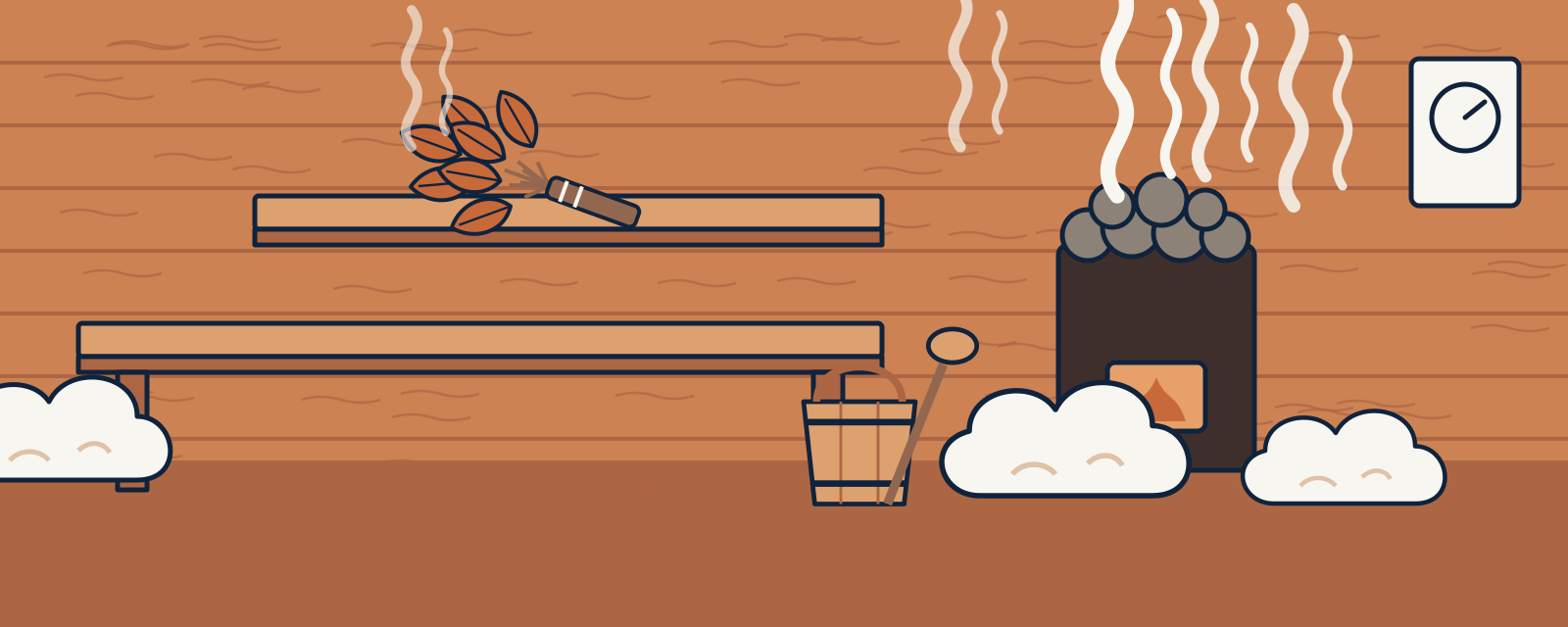
Ask three people what a “sauna” is and you might get three different answers. A Finn will describe a wooden room with dry heat and a lake outside. A Russian will talk about wet steam and a birch whisk. Someone who has visited Istanbul will remember warm marble and a vigorous scrub. All three are right.
The banya
The Russian banya runs hot and humid. A large stone stove, the pech, heats the room, and water thrown on the stones creates heavy, soft steam that you feel as much as see. The centrepiece of the ritual is the venik: a bundle of birch, oak or other leafy branches, soaked and used to fan and pat heat over the body. Rounds end with a cold plunge, a bucket of icy water or, in winter, a roll in the snow.
Choose the banya if you like intense heat, enjoy a bit of theatre and want something social.
The sauna
The Finnish sauna is usually hotter than a banya but much drier. Between pours the air can feel almost desert-like. Then a ladle of water hits the stones and löyly, the Finnish word for that rolling wave of steam, comes down from the ceiling. The mood is quiet and unhurried.
Choose the sauna if you like dry heat, want something simple you can do at home, or prefer silence.
The hammam
The hammam is the gentlest on temperature but the most humid. Steam fills a marble room, and you lie on a heated central platform while your skin softens. An attendant, or you, then works over the body with a kese mitt and follows with a soap wash that can be wonderfully foamy.
Choose the hammam if high heat isn’t for you, or if clean, soft skin is a big part of why you bathe.
Whichever you pick, the rhythm is the same: heat, cool, rest, repeat. Start with shorter rounds than you think you need, and drink plenty of water.
What you’ll need to start
- Banya: a venik, a felt hat and a bucket for soaking.
- Hammam: a peshtemal towel, a kese mitt and olive black soap.
- Sauna: a bucket and ladle, a timer and a seat mat.